A dentist in Astoria kept losing three or four bookings a day and couldn’t figure out why for months. It turned out to be rather embarrassing how easy it really was. While she was busy with one of her patients, the phone rang, but no one answered. The call was disconnected and the next number was dialed.The caller wasn’t being impatient either. The business just couldn’t answer fast enough, and in New York, that’s usually all it takes to lose someone for good.
AI appointment scheduling exists to close that exact gap. And now, it picks up the phone, looks at the calendar, schedules the appointment, and you continue working. Not all businesses benefit from using it, but if missed calls drain your clients, then maybe it’s high time to get to know it better.
What Is AI Appointment Scheduling?
Ditching the jargon, we come to a pretty straightforward piece of software which is able to book, confirm, and manage appointments without any human interference. It reads your calendar in real time and communicates with customers via the phone, text or chat on your website and secures the open spot right away.
An AI appointment scheduling widget on your website homepage does the same job, but only when your client is there typing.This is different. It answers a call at 11 p.m., works out what the person needs, and has them on your Tuesday schedule before they’ve hung up.
New Yorkers don’t wait until 9 a.m. to think about booking a haircut or a consult. They think about it the second it crosses their mind, whatever time that happens to be.
Why NYC Small Businesses Are Switching to AI Scheduling Software
Rent alone can bury a small business here, and staff hours spent just answering the phone add up fast. Most shops can’t justify a full-time receptionist whose only job is taking bookings, not at New York rates.
AI scheduling software takes that job off someone’s plate for a fraction of the cost. It works nights and Sundays without complaint, doesn’t call in sick, and won’t leave a caller on hold for five minutes because the front desk is dealing with a walk-in.
Then there’s the no-show problem, which is bigger than most owners want to admit. A missed appointment means an empty chair, an idle stylist, and an hour a doctor could’ve spent on someone who actually showed up. The National Institutes of Health looked at the financial cost of missed appointments across healthcare settings and found that consistent reminders were one of the more reliable ways to bring that number down (NIH study on appointment no-shows). Salons, repair shops, and law offices run into the same math, which is a big part of why this has spread well past medical offices.
How the Booking Process Actually Works
The system connects to whatever calendar you already use Google Calendar, Outlook, or a booking platform you never got around to switching off. A customer calls, texts, or messages your site. The software figures out what they need, checks what’s open, offers a couple of times, and books whichever one they pick. A confirmation goes out right away, and as the date gets closer, reminders fire off on their own. If someone needs to reschedule, that gets handled too, without a staff member touching the calendar.
That’s really it. A decent AI automation company can have this running for a small business within a week, and nobody needs to hire a developer to make it happen.
The Benefits Nobody Puts on the Sales Page
Time savings get all the attention, but honestly, they’re not the interesting part.A lot of booking requests land after hours, when nobody’s at the desk. Automated appointment booking grabs those instead of letting them die in voicemail. Customers stop dealing with phone tags too, and a fast, confirmed time builds trust before someone’s even walked in.
Double bookings mostly happen because a stressed employee is juggling five things at once. It’s rarely carelessness, just a busy front desk.Software is not tugged from all sides. After some months have passed, you’ll begin seeing trends that were not apparent before: peak periods, services in most demand, and where the flakers usually show up.That’s useful when you’re planning shifts or timing a slow-season promotion.
We’ve set this up for businesses across the city, including a nail salon in Sunset Park that was losing walk-in bookings every Saturday because one phone can only ring so many times before someone gives up and calls the next place. aiautomationnyc.com works directly with local businesses on this instead of dropping in an off-the-shelf plugin and calling it done.
Choosing the Right AI Receptionist
Fit matters more than feature lists here. A dental office needs HIPAA-aware handling of patient details. A hair salon cares more about speed than compliance. A law firm might need intake questions answered before a consult even gets booked.Whichever one you end up with, it needs to mold to the way you work, not the other way around.
One question to consider before signing on: Will it integrate with your current calendar? Can it actually handle phone calls, not just chat? Do reminders go out on their own, or is that still someone’s job? And in case the call gets too complicated, could a human intervene?
Both the U.S. Small Business Administration and municipal organizations prefer viewing new technology as a gradual process rather than a sudden change. The New York City Department of Small Business Services offers advice for owners dealing with the exact issue (NYC Small Business Services).
Getting Started With 24/7 Appointment Booking
Nobody needs to replace their whole front desk on day one. Most businesses start small turning on AI scheduling just for after-hours calls, the ones that used to sit in voicemail and never get returned. Once that’s working, they expand it to cover the full day.
The goal was never to cut people out of the business. It was to stop losing bookings to a phone that rang one too many times before anyone could get to it.If missed calls are costing you customers, aiautomationnyc.com can walk you through what this would actually look like for your business, whether that’s a med spa, a repair shop, or something spread across a few locations.
Frequently Asked Questions
Is AI appointment scheduling expensive for a small business?
No, not really. In fact, many platforms charge less than what you’d pay for hiring even a part-time receptionist, and pricing of such systems often differs based on the number of calls and/or activities taking place. Thus, for example, the charges for a small shop and a busy clinic will be distinct.
Will clients understand that they are talking with an AI?
It depends on the technical design; many businesses are straightforward about it. However, it seems that customers are more interested in receiving appointment confirmation rather than taking note of who (or sometimes what) is communicating with them.
Will it only be able to make appointments and schedule cancellations?
No, high-quality systems are also able to do this. A trusted appointment scheduling assistant should be capable of treating appointments in a step-by-step manner.
Is it only useful for the healthcare sector?
Not at all. Other businesses can benefit from it as well, including beauty salons, law firms, service providers, fitness centers, and independent consultants.
How long does setup take?
Usually a few days. Sometimes closer to a week, depending on how many calendars and tools it needs to connect with.
Related Posts

Zapier Alternatives (Free): 7 Tools Worth Trying Before You Pay for Anything
Zapier's free plan caps you at 100 tasks a month, just two steps per workflow. Fine, right up until you try automating something that actually matters. Say a form gets filled out, and you want…
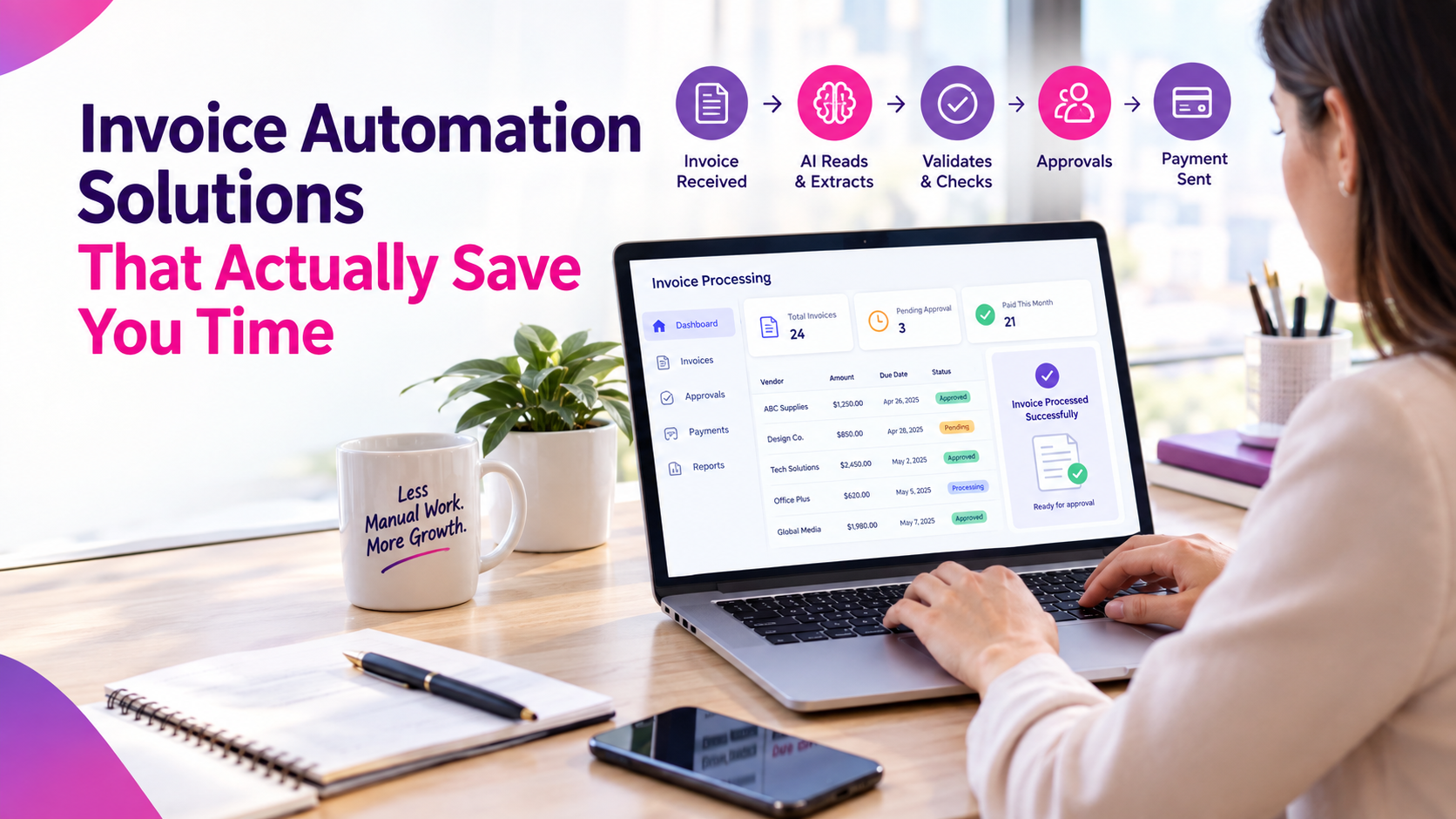
Invoice Automation Solutions That Actually Save You Time
Picture a small marketing agency with five clients and one bookkeeper.Every Friday, she manually opens up twelve invoices. She verifies the figures and enters them into a spreadsheet before emailing them individually. As of 6…
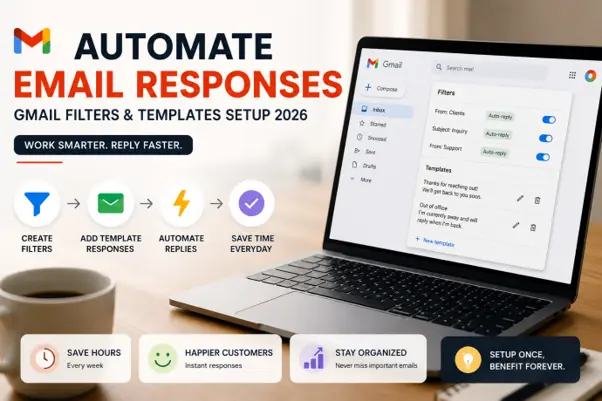
The Way to Automate Email Responses with Gmail and Get Your Life Back
This isn't what work is. It's just repeating yourself. The number is concrete and will stick with you. The phrase is too vague. This isn't what work is. It's repetitive. If you're using Gmail for…