A friend of mine runs a small bookkeeping business out of Astoria. She is good with numbers but terrible at marketing, which is the usual story. Last month she asked ChatGPT to recommend a bookkeeper in Queens, mostly as a joke, to see what would happen. It gave her three names. Hers wasn’t one of them. She’d been in business for six years and had never even heard of the thing she was now losing customers to.
That thing is generative engine optimization. Clunky name. Real problem. If you run a small business in NYC, it’s probably going to matter more to you over the next year than your Google ranking ever did, and most business owners I talk to still haven’t heard the term.
What Is Generative Engine Optimization?
Generative engine optimization, GEO for short, is the work of making your business easy for AI tools to find, understand, and actually mention by name. ChatGPT, Google’s AI Overviews, Perplexity, Gemini, and that whole crowd. Ask one of these tools a question, and it doesn’t hand you ten blue links to sort through yourself. It gives you a short answer with maybe three or four names attached. The entire objective now is to get your name onto that short list.
Here’s the shift, in plain terms. People used to type a search, then scroll. Now a growing number of them just ask a question out loud or in a chat box and take whatever answer comes back first. Google has stated in clear terms that for the page to be shown within these AI features, the page must be indexed and qualified to appear within normal search results that have snippets associated with them. This means that nothing that has been done previously is being discarded.
How Is GEO Different From Regular SEO?
Old-school SEO chases rankings. Position one, two, three, you know the drill. Generative engine optimization chases something a little different: a mention. The AI works through a stack of sources, pulls the clearest, most useful answers out of them, and stitches those together into one response for the person asking. You’ve stopped competing for a spot on a results page. Now you’re competing to be the sentence that gets quoted.
That changes how you have to write. A lot of small business blog posts bury the actual answer three paragraphs down, after all the throat-clearing and backstory. AI tools skip right past that. They want the answer stated plainly, near the top, with the supporting details coming after, not before.
Why This Matters for Small NYC Businesses
Big companies have whole teams for this kind of thing. You probably don’t, and honestly, you don’t need one.
AI tools lean hard on local and specific detail. Ask about a plumber in Astoria or a dog groomer near Prospect Park, and the AI pulls from local listings, reviews, and pages that answer that exact question, not some general national page about plumbing. A small business with one clear, well-written page about what it does and where it does can beat a big brand with a bloated national site, and I’ve watched that happen more than once. The big brand has a thousand pages. Your one page just happens to answer the actual question someone asked.
This connects to what we’ve written about business process automation in NYC. The businesses getting real value out of AI right now usually aren’t the biggest ones on the block. They’re the ones who tried something before their competitors got around to it.
Simple Steps to Start
You don’t need a developer for this, and you definitely don’t need to hire an agency yet. Start with what you already have sitting on your website right now.
Answer real questions on your site. Sit down and think of the ten things customers ask you most. Write a short, honest answer to each one. Put the answer in the first sentence, not buried at the bottom after a paragraph of throat-clearing.
Add an FAQ section to your main pages. This might be the single easiest win in generative engine optimization. AI tools genuinely love pulling from clearly labeled questions and answers, probably because it’s the least ambiguous format on the internet.
Keep your business details the same everywhere.Consistency is key when it comes to your business information. Everything from your name to address to contact information and opening hours needs to be consistent across your website, your Google Business Profile, and wherever else you may be listed. Any inconsistencies in these details will cause problems for the search engines and AI programs, causing them to ignore you.If you can use it, use schema markup.
Schema markup is coding that tells the search engines and AI programs exactly what your webpage is all about.Sounds technical, and it kind of is. Our post on AI integration services breaks down what’s actually worth paying someone for here and what you can skip.
Get mentioned somewhere you don’t own. An article in a local media company, a blurb in an industry news round-up, and an unprovoked review by an actual client. These things really do carry some weight. AI tools trust outside sources more than they trust anything that sounds like it came out of your own marketing team, which, fair enough.
Local SEO vs GEO: Are They the Same Thing?
Well, sort of but not really. There’s some overlap that might surprise you. Local SEO is focused on appearing at the top of Google Maps searches and local search listings. GEO is getting recognized within the context of an AI-generated response. A strong Google Business Profile, consistent NAP details across the web, and real reviews help with both at the same time. If you’ve already put in work on local SEO, you’re closer to GEO than you probably think.
Common Mistakes to Avoid
Don’t stuff your pages with keywords hoping it’ll trick the AI. It won’t, and honestly this is the mistake I see most, mostly because it’s a leftover habit from a decade of old SEO advice that used to sort of work. AI models read for meaning, not repetition. Cramming your primary keyword into every other sentence just makes the page harder to read for actual people and for whatever’s reading it on the other end.
Don’t chase every AI platform equally either. Pick whichever one your customers actually use and start there. If most of your traffic still comes through Google, that’s where your time goes first, not last.
Don’t expect results in a week, because you won’t get them. Generative engine optimization builds the same slow way real SEO always has, through consistency stretched over months, not some overnight trick you stumble into.
How Long Before You See Results?
Most businesses that stick with it start seeing early mentions somewhere in the four- to eight-week range. Full visibility, meaning you show up reliably across a few different AI tools, tends to take a couple months longer than that.This is where local companies have a definite advantage because they will be competing against other geographic-specific search queries that get less attention compared to the generic ones that the larger companies battle for.
In case you don’t know where to start from, find the single question that gets asked by your customers the most, and answer it with one simple paragraph. That one paragraph does more for you than another week spent reading marketing advice would.
Frequently Asked Questions
Do I need to hire an agency to do generative engine optimization?
No. Most of the early work, writing clear FAQ answers, and keeping your business details consistent can be done by you or anyone on your team; no special tools are required.
Is generative engine optimization replacing SEO?
No. It builds on top of SEO rather than replacing it. A site with weak SEO foundations to begin with, poor indexing, and thin content isn’t going to do well in AI answers either.
How do I determine whether my business is appearing in AI responses?
I should ask ChatGPT, Gemini, or Perplexity a question that an actual customer would ask and use my town or city name in the question. The business should show up. Then I should try some slightly different wording for the same question.
Does generative engine optimization cost money?
The core work costs your time, not your budget. Writing better answers and fixing inconsistent business details is free. There are paid tools out there for tracking your AI visibility over time, but they’re optional, especially when you’re just getting started.
Is this possible for a new business without website history?
Yes, but it may take longer to produce results. A new business benefits the most by providing clear local information, having an active Google Business Profile, and acquiring several legitimate early reviews, which will help AI tools gain trust in the website sooner than if they had to wait even longer.
Related Posts
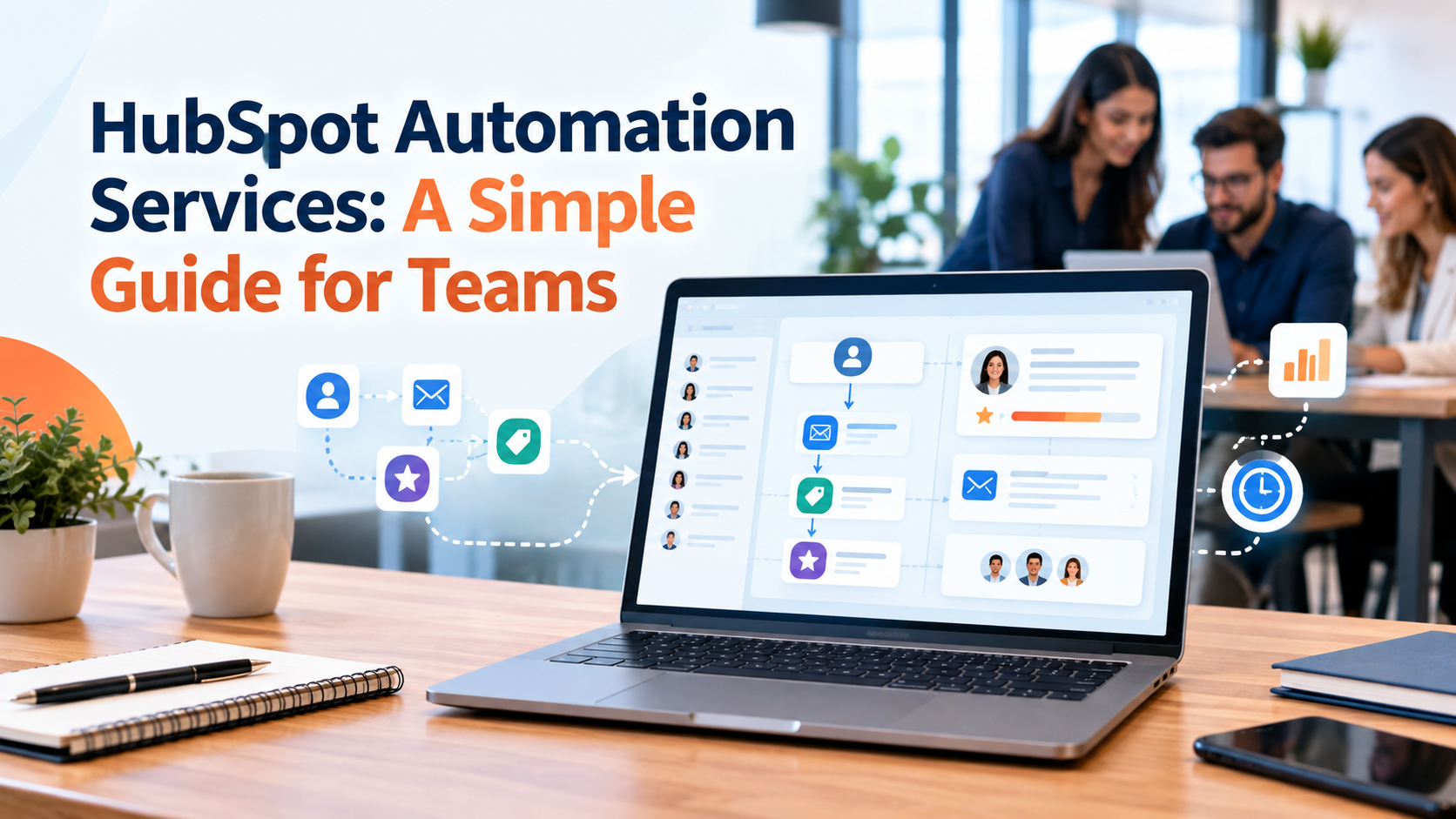
HubSpot Automation Services: What They Do and How to Choose
The lead completes your form at 4:55 pm on Friday. No one sees it until Monday morning. But by that time, they had already gotten in touch with the competition, who responded within ten minutes.…
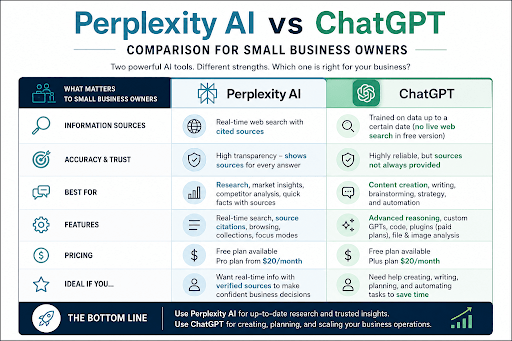
Perplexity AI vs ChatGPT: Which One Should You Use?
Picture your morning. Before lunch, you need two things done. First up: today's minimum wage in your state, since you're hiring someone next week. Second: a polite email for a customer who's three weeks behind…

AI Automation for Law Firms: A Practical Guide
It's 7 p.m. A solo attorney locks up, grabs a quick dinner, then opens her laptop right back up to get through three contracts before bed. The work isn't hard. Earlier, there simply wasn't time…